
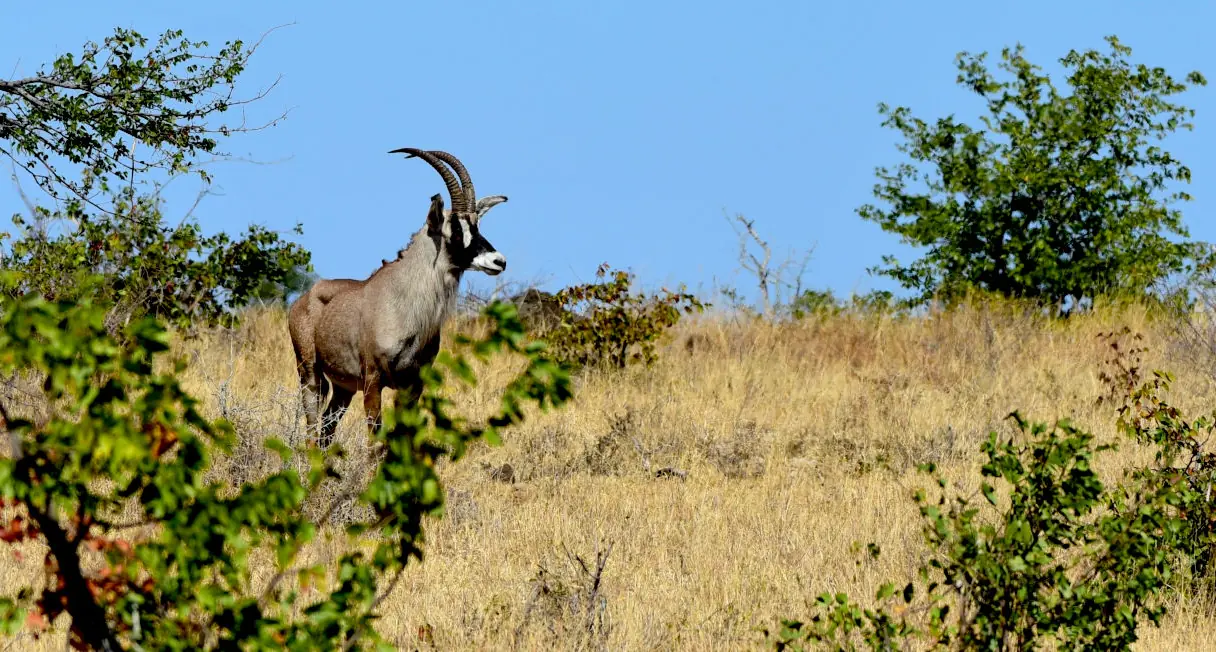
Pilanesberg is situated in the sNorth West Province, adjacent to Sun City - just 2 hours away from Johannesburg or Pretoria.
At 50 000 hectares (some 580km²), Pilanesberg Game Reserve is the 4th largest game reserve in South Africa. An abundance of wildlife proliferates in the diverse and interesting bushveld terrain. It is also home to the Big 5 – a popular destination due to its proximity to Johannesburg and the bonus of being malaria-free.
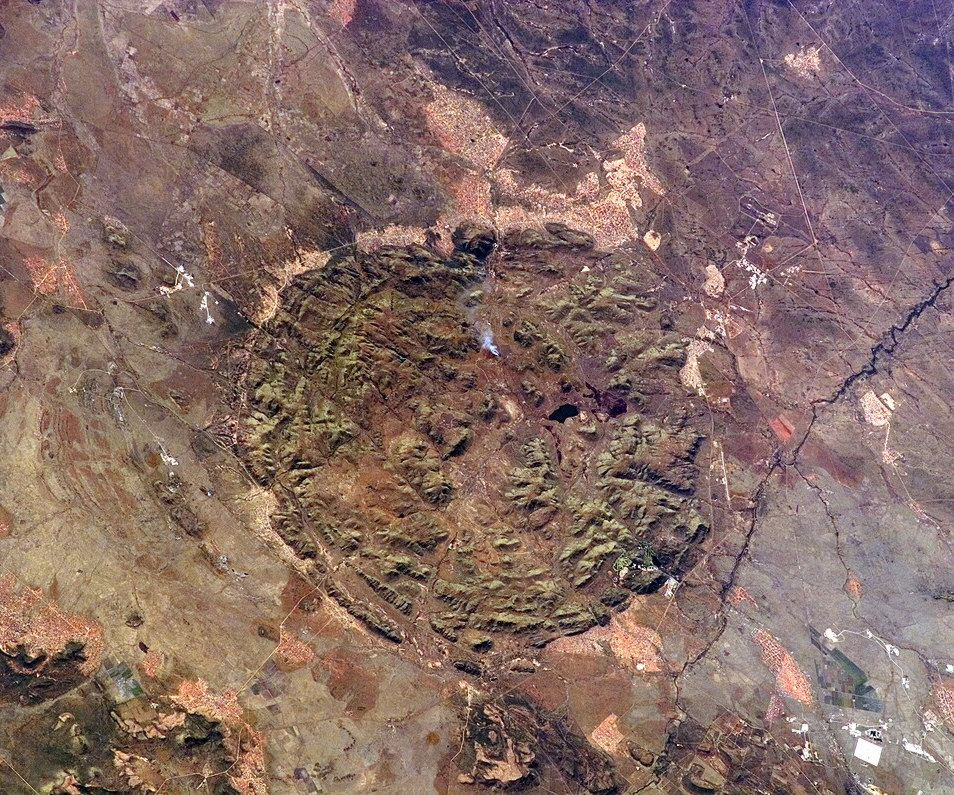
The crater of a long extinct volcano is the setting of Pilanesberg. It is a fascinating alkaline complex produced by volcanic eruptions some 1300 million years ago, and is one of the largest volcanic complexes of its kind in the world. Its rare rock types and structure make it a unique geological feature.
The area is fringed by three concentric ridges or rings of hills - the formation rises from the surrounding plains like a bubble.
The structure of the park is termed the "Pilanesberg Alkaline Ring Complex".
Ancient, even by geological time scales, this extinct volcano is the most perfect example of an alkaline ring complex. A number of rare (but not necessarily economically important) minerals occur in the park. Pilanesberg rates high amongst the world's outstanding geological phenomena.
Pilanesberg has survived ages of erosion and stands high above the surrounding bushveld plains. The early presence of man can be seen in the numerous Stone and Iron Age sites that are scattered throughout the park.
The park exists within the transition zone between the dry Kalahari and wetter Lowveld vegetation, commonly referred to as "Bushveld". Unlike any other large park, unique overlaps of mammals, birds and vegetation occur because of this transition zone. Over time, wind and water have carved a spectacular landscape.
There is a varying and fascinating combination of geology, landscape and rainfall which give rise to different patterns of vegetation - wide open grasslands, steep hill slopes, rocky outcrops, wooded valleys, thickets and thickly wooded gorges. There are over 132 species of trees and at least 68 species of grasses.
The colourful hues, varied habitats and panoramas will delight photographers and visitors. The very topography makes the area a feast for the eye - the syenite koppies, thickly forested ravines, typical bushveld, rolling grasslands and lightly wooded areas.
Off the centre of the park is Thabayadiotso, "the Proud Mountain". The Park covers an area of 55,000 hectare and ranks among the larger of the parks in South Africa. The beauty of Pilanesberg is reflected in a large central lake, the Mankwe Dam.
Beyond Pilanesberg, heading north, is a pristine conservation area - Madikwe Game Reserve. Madikwe offers a full safari experience in one of the more remote wilderness areas of South Africa.

in Pilanesberg

in Pilanesberg

in Black Rhino

in Black Rhino
© 2025 Linx Africa. All rights reserved. Terms & Conditions // Cancellation Policy // Privacy Policy // Site Map © Photos by the Lodges.